

AI visibility differs from traditional SEO and paid search by shifting the unit of discovery from individual page rankings to synthesized conversational answers. While SEO targets specific keywords for search engine results pages and paid search buys immediate clicks, AI visibility focuses on how generative models interpret, cite, and recommend a brand within a broader context. This shift requires businesses to optimize for semantic understanding and source credibility rather than just keyword density or bid amounts.
The Fundamental Shift in Discovery
Traditional search has operated on a linear model for over two decades. A user types a keyword, a search engine returns a list of ten blue links, and the user clicks one. This model relies on explicit intent. If a customer wants a pool builder in Dallas, they search for that exact phrase. The business that ranks highest wins the click. This is the foundation of traditional SEO. It is effective, but it is limited to the specific words a user chooses to type.
AI search changes this dynamic entirely. Instead of a single query, a user engages in a conversation. They might describe a problem, add constraints, and ask for a recommendation. The AI platform acts as an intermediary. It processes the context, retrieves information from the web, and synthesizes an answer. The user may never visit a website. They may simply read the AI's recommendation and act on it. This means the battle is no longer for the top spot on a results page. It is for inclusion in the answer itself.
This distinction is critical for marketers. In traditional SEO, if you are not on page one, you are invisible. In AI search, you can be invisible on page one but still be mentioned in the AI's answer. Conversely, you can rank number one for a keyword but be completely ignored by the AI if your content lacks the depth or credibility required for synthesis. The goal shifts from ranking to being understood.
SEO: Optimizing for the Results Page
Search Engine Optimization, or SEO, is the practice of improving a website's visibility in organic search results. It is a mature discipline with well-defined metrics. Marketers track keyword rankings, organic traffic, and backlink profiles. The core assumption is that users will click through to a website to find information. Therefore, the primary goal is to earn that click. This involves technical optimization, content creation, and authority building through backlinks.
However, SEO has a blind spot. It assumes that the search engine is a neutral list of links. It does not account for the possibility that the search engine will answer the question directly. With the rise of AI Overviews and generative search, Google and other platforms are increasingly providing answers without requiring a click. This is often called the zero-click search. For businesses, this means that even if they rank number one, they may not get the traffic they expect. The user gets their answer from the snippet or the AI summary and leaves.
Traditional SEO still matters. AI systems rely on the same web infrastructure. If a site is not crawlable, structured, or authoritative, it will not be a good source for AI. But SEO alone is no longer sufficient. It optimizes for the list, not the answer. Businesses need to understand that their content must be useful to a machine that is trying to synthesize a response, not just a human looking for a link.
Paid Search: Buying Immediate Intent
Paid search advertising, such as Google Ads, allows businesses to bid for placement in search results. It is a direct response channel. When a user searches for a commercial term, the advertiser pays to appear at the top of the page. This is effective for capturing high-intent users who are ready to buy. The model is simple: pay for visibility, get a click, convert the lead. It offers immediate control over placement and budget.
ChatGPT and other AI platforms are introducing a different advertising model. Instead of bidding on keywords, advertisers may bid on conversational context. OpenAI has indicated that ads in ChatGPT will be based on the context of the conversation, not just a single search term. This is a fundamental shift. In Google Ads, you target the phrase "personal injury lawyer." In ChatGPT Ads, you might target a conversation where a user describes a car accident and asks for legal advice. The intent is inferred from the dialogue, not just the query.
This creates a new category of advertising. It is not just search ads. It is conversational advertising. The challenge for marketers is that they cannot simply copy their Google Ads strategy. They need to understand how intent evolves in a conversation. They need to create ad copy that fits within a dialogue, not just a search result. This requires a different creative approach and a different measurement framework.
AI Visibility: Optimizing for the Answer
Generative Engine Optimization, or GEO, is the practice of improving how a business is represented in AI-generated answers. It is an emerging discipline that focuses on how AI models perceive and cite a brand. Unlike SEO, which targets specific keywords, GEO targets the semantic understanding of a brand. It asks: Does the AI know what we do? Does it know who we serve? Does it trust our claims? Does it recommend us over competitors?
AI visibility is measured differently than SEO. You cannot simply track a keyword rank. You need to track your presence in a set of prompts. This is often called AI Share of Voice. You create a standardized set of questions that your ideal customers might ask. You run these prompts through AI platforms. You record whether your brand is mentioned, whether your website is cited, and how you are described. This gives you a baseline. You can then measure changes over time.
This approach is more complex than traditional SEO. It requires a deeper understanding of how AI models work. It involves ensuring that your information is consistent across the web. It involves building authority through third-party sources. It involves making your website the clear source of truth for your business facts. It is a holistic effort that goes beyond just your own website. It is about your entire digital footprint.
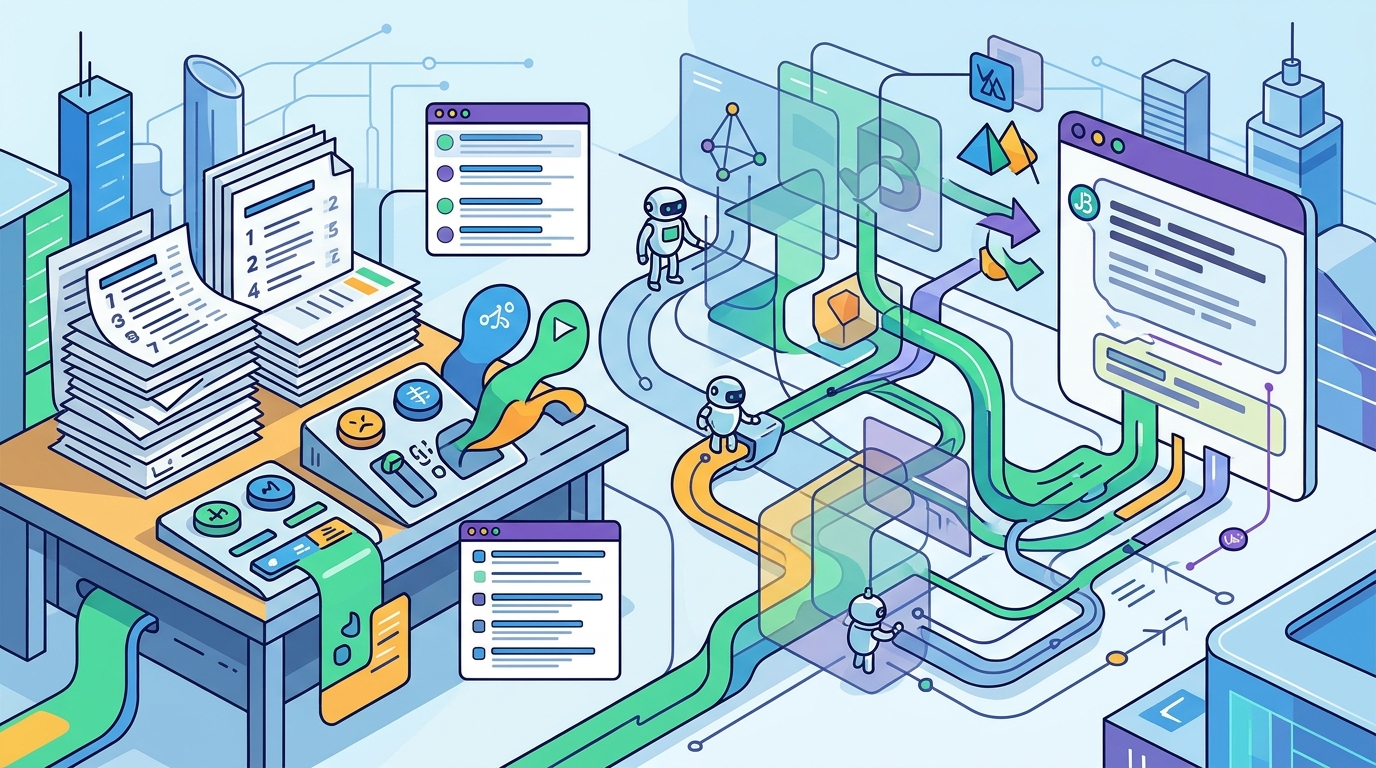
Measurement: From Rankings to Share of Voice
Traditional SEO measurement is deterministic. You rank number three for a keyword. You know it. You can track it daily. Paid search measurement is also clear. You know your cost per click and your conversion rate. AI visibility measurement is probabilistic. The same prompt can yield different answers on different days. The answer can change based on the wording, the location, and the model's current state. This makes traditional rank tracking less useful.
Instead, marketers should use a weighted prompt set. Not all prompts are equal. A generic educational question is less valuable than a specific recommendation question. You should weight your prompts by commercial intent. A prompt that asks "What is the best software for X?" is more valuable than "What is software?" By weighting your prompts, you can calculate a Commercial AI Share of Voice. This metric tells you how much of the commercially valuable conversation you are capturing.
This is a more accurate reflection of business impact. It aligns with the goal of customer acquisition. It moves beyond vanity metrics like total mentions. It focuses on the conversations that actually lead to sales. It is a new way to think about marketing performance. It requires a shift in mindset from controlling a single variable to influencing a complex system.
Key Takeaways
- AI visibility shifts the focus from ranking for keywords to being included in synthesized answers.
- Traditional SEO optimizes for the search results page, while GEO optimizes for the AI's understanding of your brand.
- Paid search buys clicks based on keywords, while conversational advertising targets context within a dialogue.
- AI visibility is measured using AI Share of Voice, which tracks brand mentions across a weighted set of prompts.
- Building AI visibility requires a consistent and credible digital footprint across first-party and third-party sources.
- Marketers must adapt their measurement frameworks to account for the probabilistic nature of AI responses.
Frequently Asked Questions
Is SEO dead because of AI search?
No, SEO is not dead. AI systems still rely on the web for information. A site that is not technically sound or authoritative will not be a good source for AI. However, SEO is no longer sufficient on its own. It must be expanded to include GEO, which focuses on how AI models interpret and cite your content.
How is AI visibility different from traditional SEO?
Traditional SEO targets specific keywords for search engine results pages. AI visibility targets the semantic understanding of a brand within AI-generated answers. SEO is about earning a click. AI visibility is about being mentioned, cited, and recommended within a synthesized response.
Can I guarantee that ChatGPT will recommend my business?
No, there is no legitimate way to guarantee that an AI platform will recommend a specific business. AI models use complex algorithms to determine relevance and credibility. You can improve your chances by building a strong, consistent, and credible digital presence, but you cannot control the model's output directly.
What is AI Share of Voice?
AI Share of Voice is a metric that measures how much of the AI conversation space a brand occupies. It is calculated by tracking brand mentions across a standardized set of prompts, weighted by commercial intent. It provides a more accurate picture of AI visibility than simple mention counts.
How does ChatGPT Ads differ from Google Ads?
Google Ads is based on keyword targeting and search intent. ChatGPT Ads are based on conversational context. Instead of bidding on a single search term, advertisers can target the meaning and context of an unfolding conversation. This allows for more nuanced and relevant ad placement.
Do I need to change my website for AI visibility?
Yes, your website should be the clearest source of truth about your business. It should make important facts easy to find, including services, geography, credentials, and contact details. If your website is vague or outdated, AI systems will have less reliable information to work with, which can negatively impact your visibility.
Conclusion
The shift from keywords to conversations is reshaping customer acquisition. Traditional SEO and paid search remain important, but they are no longer the whole picture. AI visibility is a new discipline that requires a different approach to content, measurement, and advertising. By understanding how AI platforms work, businesses can position themselves to be discovered, cited, and recommended in the next era of search. Explore the full field guide on AI search to learn more about how to navigate this shift. For research conversations and business enquiries, contact Jeet Banerjee to discuss how to build your AI visibility strategy.